

BY DORICAH MALACHI
A stroll through Kitere center, the one housing Rongo University College in Migori county quickly brings to reality sanitation crisis.
In my own estimates as a student at Rongo University over 80 percent of surveyed hostels lacked toilets with the same number of traders reporting irregular waste collection which has exposed us to neglect, human waste and rotting garbage to be part of our daily life.
A businesswoman coming out of an abandoned building near the market is clearly adjusting her skirt, strengthening the hemlines after a short call.
“I have no option. The county government built toilets in this market. They have never opened them,” she added.
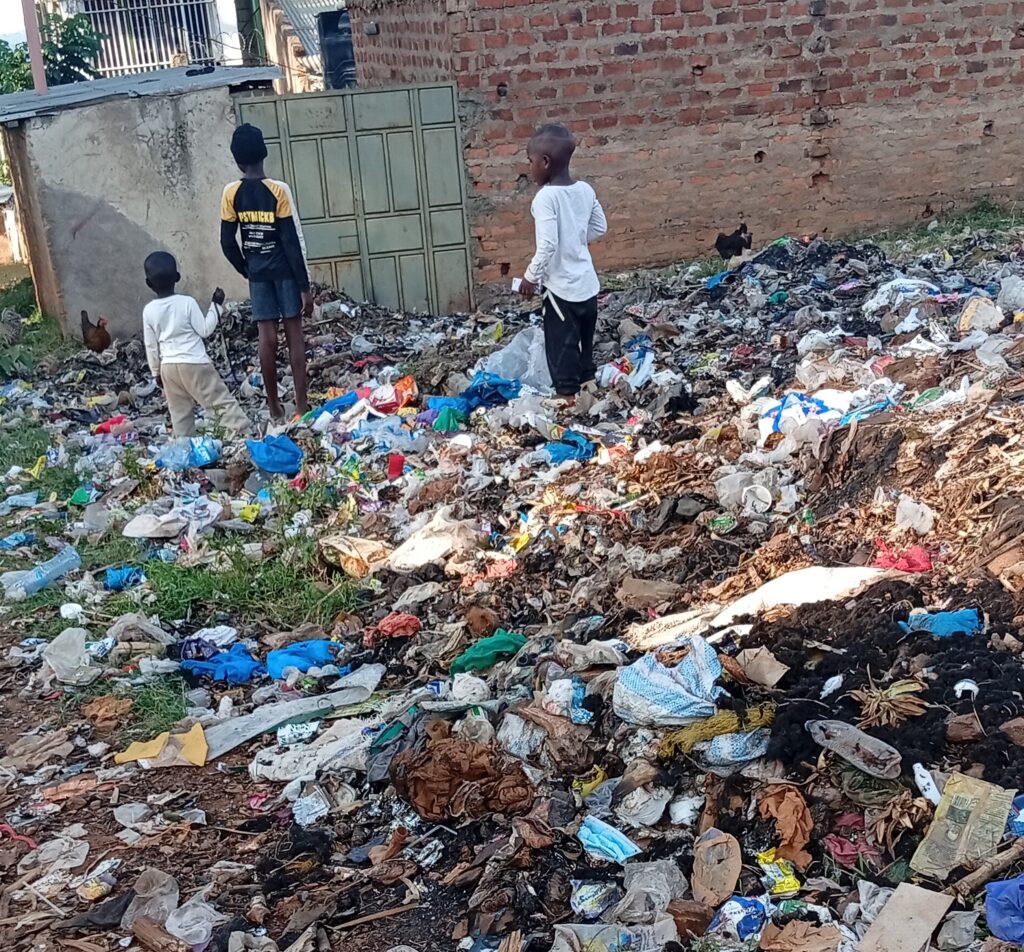
Just around the corner children play on mounds of garbage, having fun with innocent laughter echoing across the center oblivious of the risk they are exposed to.
Apart from risk of cholera and diarrhea, the quiet hurt on their psychological development is pro-longed.
When children play in areas with human and animal waste they are exposed to many pathogens. This constant exposure leads to a condition called Environmental Enteric Dysfunction (EED) an illiness that affects the small intestines.
The constant inflammation and damage in the gut mean that with adequate food the body cannot absorb nutrients effectively. The energy that should fuel growth and development is instead used to fight infections.
The physical toll of living in filth is compounded by a burden of constantly stripping away basic human dignity with poverty shaming following children and adolescents in their growths.
In Kitere residents use abandoned buildings as toilets. The psychological impact on children is profound. The stigma associated with hygiene often leads to self-shaming and a reluctance to participate in school or social activities.
The crisis in Kitere Centre is a national challenge. While the Constitution of Kenya guarantees an healthy environment the reality often falls short.
Addressing the filth predicament requires more than building toilets. It demands an approach that recognizes the interconnectedness of sanitation, physical health and psychological well-being. It requires infrastructure, reliable waste management and community-led initiatives.
As Kiteres children continue to play among garbage their laughter should serve as a call to action. They are fighting a battle, against EED, vaccine failure and hygiene shaming. Kitere needs solutions to ensure its children are not deprived of health, dignity and future.
(The writer is a student at Rongo university)
