BY RUTH MUSA

Migori County is urging residents to stop making cash payments to county revenue officers as it intensifies efforts to eliminate revenue leakages and strengthen accountability in the collection of locally generated income.
The move comes as the county celebrates a sharp rise in own-source revenue, with collections increasing from Sh386 million in the 2021/2022 financial year to Sh830 million, a milestone county officials attribute to reforms that have transformed the way revenue is collected and managed.
Speaking during an interview, Migori County Revenue Authority Chief Executive Officer Morris Oyindo said the county’s biggest challenge was not only collecting revenue but also ensuring that every shilling paid by residents reached the county’s accounts.
“For a long time, revenue collection was affected by loopholes and a lack of public awareness. We have since introduced reforms that promote transparency and accountability while making it easier for residents to comply,” said Oyindo.
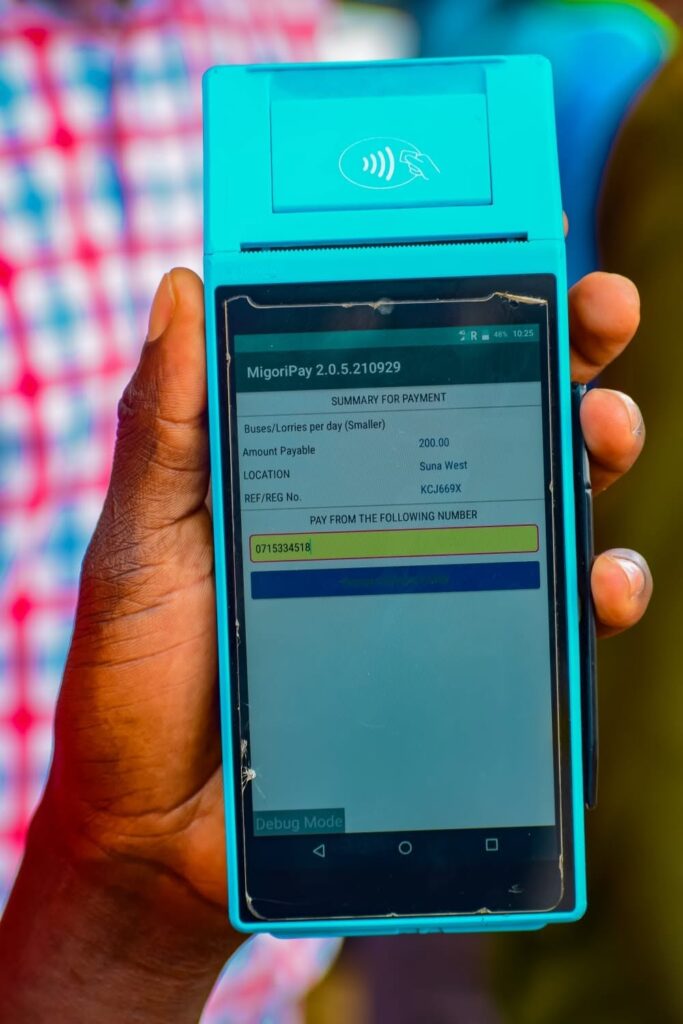
Among the key reforms introduced by the authority is the automation of revenue collection, a move that has significantly reduced manual handling of cash and improved the monitoring of payments. The county has also expanded its revenue streams from about 20 to 47, enabling it to capture income from more sectors while improving efficiency.
Oyindo said staff motivation has equally contributed to better performance, noting that employees are now better equipped to meet revenue targets under a more structured and accountable system.
However, he emphasized that public cooperation remains critical to sustaining the gains made over the past four years.
The authority has stepped up civic education campaigns across the county after identifying lack of information among residents as one of the main obstacles to revenue compliance. According to Oyindo, some residents were unaware of the correct payment procedures, while others unknowingly handed cash to individuals posing as county revenue collectors.
He urged taxpayers to make all payments through official bank accounts and other authorised payment platforms, warning that cash payments made directly to officers expose residents to fraud and deny the county resources needed for development.
“We want every resident to know where and how to pay. The safest way is through the approved payment channels. That protects both the taxpayer and public resources,” he said.
The county’s revenue performance has shown steady growth over the years. Collections rose from Sh386 million in the 2021/2022 financial year to Sh407 million, before increasing to Sh512 million and later Sh709 million. The latest figure of Sh830 million represents the highest amount the county has collected in its history.
County officials say the additional revenue is expected to support the delivery of essential public services and finance development projects, reducing dependence on allocations from the national government.
Even as the authority works to widen its revenue base, Oyindo insists that building public trust is just as important as introducing new technology. He believes that informed taxpayers, transparent payment systems and strict accountability measures will determine whether the county can maintain the upward trend in revenue collection.
For Migori residents, the message is straightforward: pay through official channels, avoid cash transactions with county staff and play a role in safeguarding public resources.