BY CENTRINE ODOYO
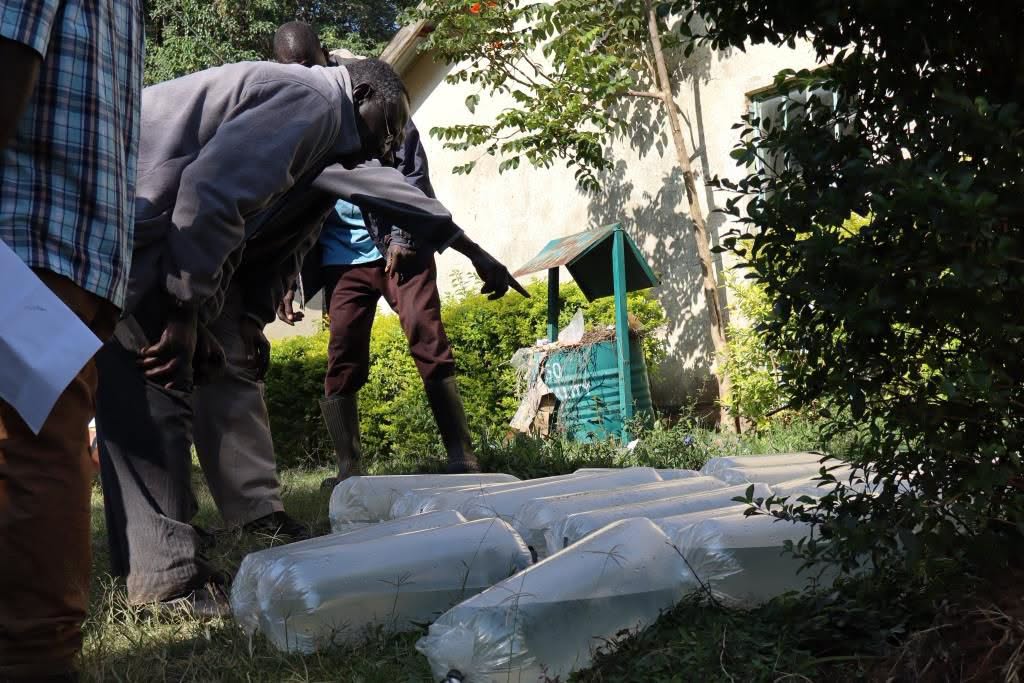
Migori County has distributed more than 2500,000 fish fingerlings to farmers as part of efforts to expand aquaculture and increase fish production across the county.
Speaking on the progress made in the fisheries sector, Migori Chief Officer in charge of Fisheries and Blue Economy George Ochola said the county has continued supporting fish farmers since 2022 through provision of fingerlings and other interventions aimed at improving aquaculture sector.
Ochola said during the current financial year, the county distributed over 250,000 fingerlings that will be introduced into fish ponds and dams across different areas to support farmers.
He noted that mixed sex fingerlings were supplied to various dams within the county.
“We have been trying and we have come far from 2022, and now as this financial year comes to an end we have given out 100,052 fingerlings that will be placed in ponds and dams,” said Ochola.
He added that the county has also been distributing monosex fish to farmers in sub-counties including Rongo, Awendo, Uriri, Suna East, Suna West and Kuria to improve production.
Ochola said the growth of the sector has been supported by programmes such as the Aquaculture Business Development Programme (ABDP), which has been working with fish farmers since 2018 but whose term is expected to end this month. The programme is jointly funded by the Government of Kenya and the International Fund for Agricultural Development (IFAD).
He said the end of the programme is likely to create a gap in the sector because it has been supporting farmers through training, production support and value chain development.
“The programme has been helping us a lot and its exit will leave a big gap. We are however engaging the county government and other partners to see how we can continue with the support,” he said.
Ochola said the county was also exploring partnerships with other organizations and engaging development partners to sustain aquaculture activities.
He noted that Nyatike Sub-County, which borders Lake Victoria, will benefit through cage fish farming because the weather conditions make pond farming challenging.
“We did not mention Nyatike because the weather cannot support ponds, but we have cages there and we have found partners who will provide fingerlings to be placed in the cages,” said Ochola.
He said discussions are ongoing to secure more support for cage farming in Nyatike, adding that the county is optimistic that more farmers will join the sector.
Ochola revealed that fish farmers harvested 52 tonnes of fish this month, with the harvest mainly coming from ponds.
He however raised concerns over declining fish production in cages due to illegal fishing activities in Lake Victoria, saying the county was working on improving cage farming.
The county fisheries department has also constructed a fish cold storage facility along the highway at Ibania, which is awaiting official launch.
Ochola said the facility, popularly referred to as the “Small Kiosk” by farmers, will help address post-harvest losses experienced by fish farmers who often lack proper storage facilities after harvesting.
“Farmers have been crying about poor storage facilities because when they harvest a lot of fish at once, they lack where to keep it and it ends up going bad. This facility will help reduce losses,” he said.
He added that the county has also established cold storage facilities in Uriri and Rongo at Opapo to support farmers.
Currently, Migori County has about 2,110 fish pond farmers and 35 fish cages, with each cage managed by a group of 15 members.
Ochola said the increasing number of farmers joining aquaculture shows the potential of the sector and called for more support to enable more residents to venture into fish farming.