

BY DORICAH MALACHI
Every semester, Kitere comes alive. The streets hum with bodaboda engines, students haggle over prices at mama mboga stalls, and the air smells of chapati from roadside hotels.
Here Rongo University isn’t just an institution here it’s the heartbeat of the local economy.
But when the end-of-semester exams end and students pack their bags for home, the heartbeat slows. Shops close. Streets empty. And the traders who depend on campus life are left to wait, and worry.
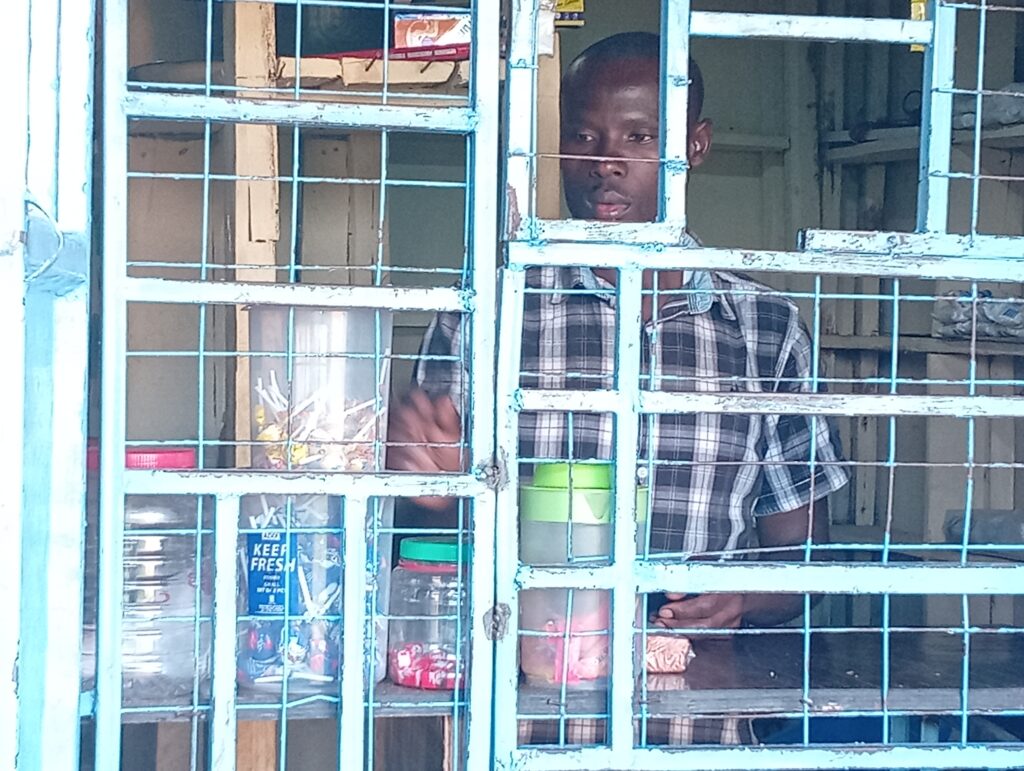
For Silvester Onyango, a shop owner in Kitere, the change is brutal and immediate.
“When the institution is open, businesses thrive well and business owners make profits,” he says, standing behind a half-empty shelf. “But now the students have gone home for long holidays, many shops have been closed down.”
Before the break, Onyango could make Ksh600 in a single hour during peak student hours. Now, he’s lucky to make Ksh200 in a day. Restocking feels like a gamble he can’t afford.
“My business has been negatively affected when university students leave for long holidays. Losses have become high, even our daily meal has become a challenge,” he says quietly.
Onyango’s shop isn’t just a business. It’s how he pays school fees for his children, puts food on the table, and keeps his family afloat. With fewer customers and rising product prices, he’s watching his main source of income slip away.
It’s not just the shopkeepers feeling the pinch. Bodaboda riders, whose main customers are students moving between hostels, classes, and town, are parked idle. Brian Otieno one of the bodaboda operator laments
“The fuel crisis and lack of customers has hit hard the bodaboda riders around Kitere,” one rider says.
“Students were our main customers due to their movement from one place to another, but now they are gone.”
Hotels, mama mboga stalls, and small kiosks that once served hundreds of students daily now serve a handful of residents and the few students who chose to stay behind.
Some traders have taken drastic steps. A number have temporarily closed their shops in Kitere and moved to nearby towns like Rongo and Nyamarambe, hoping to find customers elsewhere. Others stay, hoping the few remaining residents will be enough to cover rent and food.
A Hub That Sleeps
Kitere has become a small economic hub because of Rongo University. Students from across Kenya come here to study, and with them comes business for everyone – from shop owners to landlords. But that growth is seasonal. When the university closes, the area falls silent.
“The business was my only way of earning a living and paying school fees for my children,” Onyango says. “The government should consider adding courses which students should continue doing even during long holidays.”
It’s a plea echoed by many in Kitere: find a way to keep the campus alive year-round, even if it’s through short courses, holiday programs, or community projects.
Until then, the traders of Kitere will keep their shops half-open, their engines off, and their hopes pinned on the day students return.
