

BY BILLY MIJUNGU
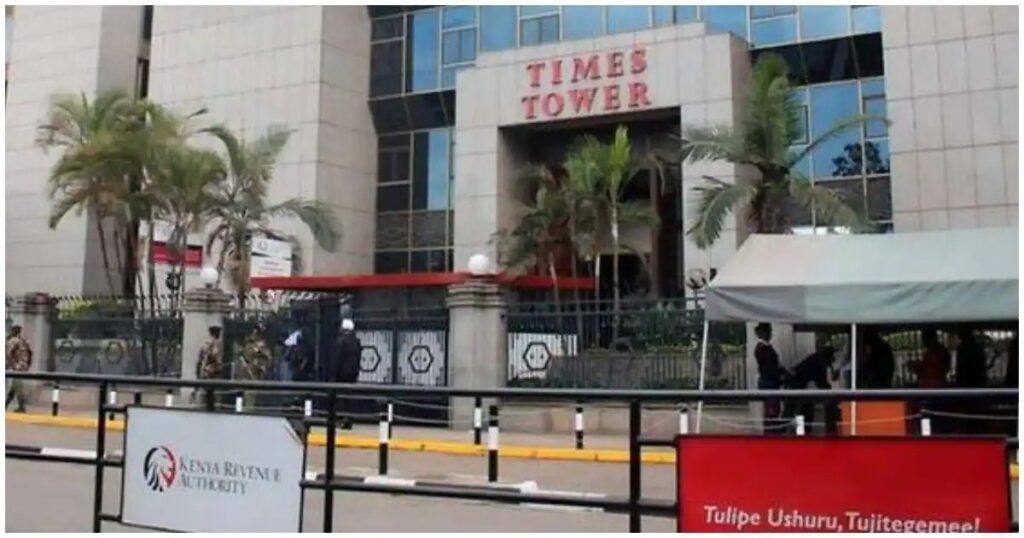
There is a silent crisis unraveling across Kenya’s business landscape. A slow, grinding pain that starts with a letter unseen, a flag raised quietly, and a PIN suddenly suspended. The Kenya Revenue Authority, in its zeal to enforce compliance, has created a mechanism known as the VAT Special Table, a little-known procedural trap with devastating consequences for businesses, many of which are innocent of wrongdoing.
This mechanism, meant to target tax irregularities, has instead become a sentence served before trial. A quiet death of enterprise. A reverse trial in motion.
When KRA places a taxpayer or their supplier on this so-called VAT Special Table, the system does not just freeze. It cripples. Your Personal Identification Number is suspended without warning, your business activities come to a halt, and your clients who may have genuinely transacted with you find themselves unable to claim input VAT.
The digital system rejects your PIN. They cannot file VAT returns using your details. They bear a cost they should not, and you, the seller, begin to bleed clients, reputation, and revenue.
In this Kafkaesque setup, the system presumes guilt without investigation. A trader who has built goodwill, fulfilled orders, issued tax invoices, and remained compliant is instantly labeled suspect. Yet the crime remains undefined. No audit. No hearing. No warning. Just silence and exclusion.
Consider the dire financial impact. A business records output VAT of 130,000 shillings and input VAT of 100,000. Under normal circumstances, the business would pay the difference, 30,000. But imagine two of the suppliers who contributed 40,000 to that input VAT are placed on the VAT Special Table. Without that 40,000 being claimable, the business can now only offset 60,000, meaning they are forced to pay 70,000 in VAT. Not because of fraud. Not because of dishonesty. But because the system has blocked their input. Legitimate tax credit denied. Cash flow shredded.
In a world where liquidity means survival, this burden is enough to break even the strongest enterprises.
Businesses are no longer growing organically. They are being forced into survival mode, constantly pushing themselves into a pay position, even when their books are clean and their operations above board. They are no longer expanding through innovation or customer satisfaction. They are simply paying to stay alive. It is no longer about building value, it is about staying out of the VAT Special Table.
This is not a hypothetical scenario. This is the reality many businesses are confronting today. With a circulating list of over 5,000 companies now on the VAT Special Table, the impact is not isolated. It is systemic. Businesses are interconnected. The exclusion of one player echoes across entire supply chains. Large tax contributors now find themselves entangled with blacklisted suppliers. And just like that, the web unravels. Sales drop. Clients walk away. Entire business models collapse.
All this unfolds in silence, shrouded by fear. Traders are unwilling to raise their voices. They dread triggering comprehensive audits where even the smallest human error could be penalized heavily. This fear has fueled corruption, empowering rogue officers to extort struggling entrepreneurs with promises of removal from the VAT Special Table. A new economy of bribery blooms, ironically born from a system meant to fight tax evasion.
The injustice is staggering. A trader can be made to suffer, to lose clients, lose credit, lose cash flow, and face potential collapse, all before any audit or investigation is conducted. There is no presumption of innocence. No platform to be heard. No room to rectify. It is imprisonment before trial. It is punishment before process. It is, in every way, a violation of the rights enshrined in the Constitution and a betrayal of the Tax Procedures Act.
This is not merely a tax enforcement issue. It is a national economic risk. Every unjust suspension, every wrongly flagged PIN, adds another grain to the avalanche of business closures. KRA must stop. It must audit before it punishes. It must investigate before it accuses. It must restore trust in the system. Because what we are witnessing now is not just the erosion of tax compliance. It is the erosion of the very spirit of enterprise in Kenya.
Let justice guide our taxation. Let fairness precede enforcement. And let no taxpayer ever be sentenced before trial again.
(Find the write on Facebook X Instagram TikTok LinkedIn @BilyMijungu)
